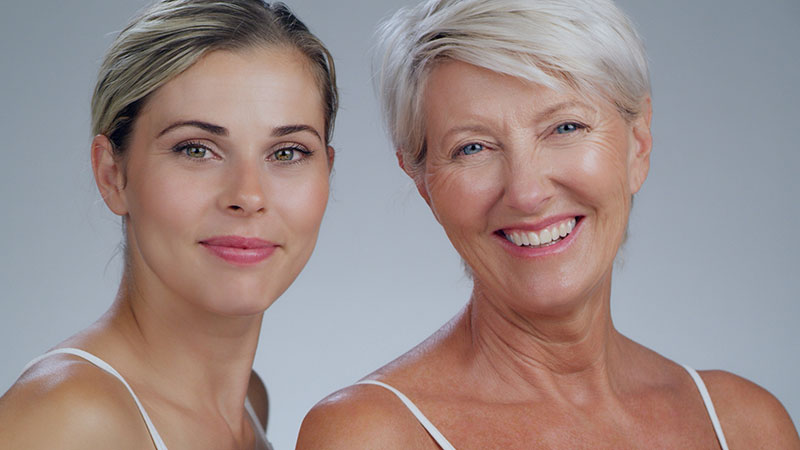
Many people know the benefits of using BOTOX® Cosmetic and/or facial fillers to address their facial rejuvenation goals, but when is the best age to start using these injectables? Should you wait until you’re in your 50’s or older or when your lines, wrinkles, and frown lines are very noticeable? Alternatively, should you start earlier to help prevent age-related facial changes?
Figuring out when to start getting BOTOX® Cosmetic and/or facial filler injections is a personal decision, but it doesn’t have to be a complex one.
“There is no perfect age to start using cosmetic facial injectable", says Dr. Rebecca Baxt, board-cosmetic dermatologist.
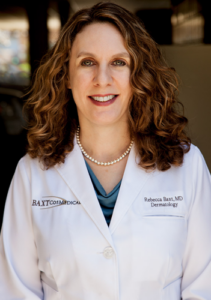
Dr. Rebecca Baxt, Board Certified Dermatologist
“While the majority of patients are in their late 30’s to 50+ age range, there is no problem if you are younger.”
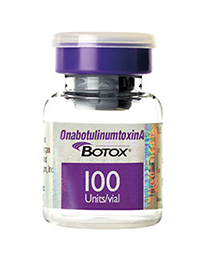 Dr. Baxt notes that reasons for younger women’s and teens’ interest in facial enhancements are many.
The primary reasons are attributable to social media and the general public acceptance of safe and FDA-approved facial injectables for cosmetic purposes.
This acceptance also includes teens and young adults.
While the manufactures of BOTOX® Cosmetic (Allergan Aesthetics) and the numerous facial fillers recommend treatment for 21+ years age, that isn’t necessarily the case. During your personal consultation with Dr. Baxt, she takes into consideration many individual factors to determine if the patient is a good candidate, regardless of age.
Determining if a teen or young adult is a suitable candidate for cosmetic procedures is assessed on a case-by-case basis. Factors such as age, skin condition, medical history, cosmetic goals, and lifestyle are all considered. Dr. Baxt has administered BOTOX® to patients as young as 18, 19, and 20, ensuring each patient receives an individualized dosage tailored to their needs.
What is Preventative Botox?
BOTOX® Cosmetic helps men and women temporarily improve the appearance of moderate and severe frown lines between the eyebrows, horizontal forehead lines, and crow’s feet on the sides of the eyes. (See Before/After BOTOX® Patient photos)
Many people become interested in BOTOX® Cosmetic when they first notice fine lines and wrinkles forming. While BOTOX® is one of the most popular anti-aging treatment for adults 40+ years, most people don’t know that BOTOX® can be used preventively as well.1
Dr. Rebecca Baxt explains to her patients that Preventative BOTOX® entails injecting small amounts of BOTOX® into specific muscles of the face to prevent them from contracting and forming wrinkles over time. According to Dr. Baxt, Preventative BOTOX® can be started at an earlier age, usually in the 20s. “There may not be visible lines and wrinkles, but you know they are coming with aging and environmental factors, such as sun damage. Baby BOTOX® can help slow the development of fine lines and wrinkles, leaving skin looking smooth and youthful for longer,” says Dr. Baxt.
What is a Good Age to Start Using Facial Fillers?
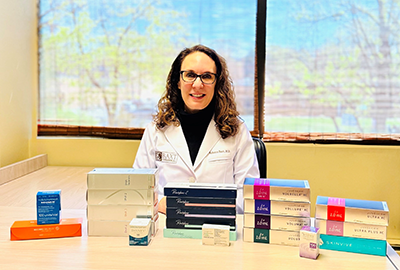 According to manufacturers involved in major clinical studies, facial fillers are generally recommended for adults age 21 and older. This aligns with FDA guidance, which emphasizes waiting until facial bone structure has fully developed. While many people begin “Baby Botox” in their late 20s or early 30s, fillers are most effective for treating age‑related volume loss and deeper wrinkles, typically beginning in the 40s. One common exception is lip augmentation, which is often performed in younger adults starting in their early 20s. (See Before/After Filler Patients). Additionally, Dr. Baxt may recommend fillers for teens and young adults to help improve the appearance of acne scars.
There’s no one-size-fits-all age to start facial fillers because your needs and aesthetic goals guide the timing. Dr. Rebecca Baxt will create a customized plan that supports your facial rejuvenation journey with subtle, beautiful results.
Trust your Injections Only with Board-Certified Dermatologists!
Visit BAXT CosMedical® for the BEST BOTOX® and filler injections in Paramus, NJ!
Schedule your Complimentary BOTOX® Cosmetic or Injectable Filler Consultation with Dr. Rebecca Baxt in her premier cosmetic and medical dermatology office located in Paramus, NJ.
1Marinelli G, Inchingolo AD, Trilli I, Pezzolla C, Sardano R, Inchingolo F, Palermo A, Maspero CMN, Dipalma G, Inchingolo AM. Proactive Aesthetic Strategies: Evaluating the Preventive Role of Botulinum Toxin in Facial Aging. Muscles. 2025 Aug 13;4(3):31. doi: 10.3390/muscles4030031. PMID: 40843918; PMCID: PMC12372128.